Introduction: Why You Required a Maintaining Wall
Ah, the terrific Australian outdoors! It's a location of beauty, tranquility, and in some cases, a little turmoil-- particularly when it comes to your garden or home landscape. Enter the maintaining wall: the unsung hero of outside style. Not just does it serve a practical function by keeping back soil and avoiding disintegration, but it likewise includes aesthetic worth to your property. Whether you're eyeing a tough https://tuffstuffretainingwalls.com.au/ concrete sleeper, a rustic timber sleeper, or a sleek wood sleeper alternative, knowing how to install your keeping wall appropriately is crucial.
But where do you even start? Worry not! This guide is your supreme checklist for retaining wall installation in Melbourne. Grab your hard hat (figuratively speaking), and let's go into this!
The Ultimate Checklist for Retaining Wall Installation in Melbourne
1. Understanding Your Terrain
Before you start digging into plans and designs, take a minute to assess topography. Is it flat? Sloped? Rocky?
1.1 Soil Type Assessment
- Clay Soil: Holds moisture however can lead to instability. Sandy Soil: Drains pipes well but might require additional support. Loamy Soil: The best of both worlds-- steady yet well-draining.
Knowing your soil type will help dictate the kind of keeping wall you need!
1.2 Slope Angle
A high slope might require a more robust design compared to a mild incline.
2. Choosing the Right Material
When it concerns materials, you've got alternatives galore! Each has its pros and cons.
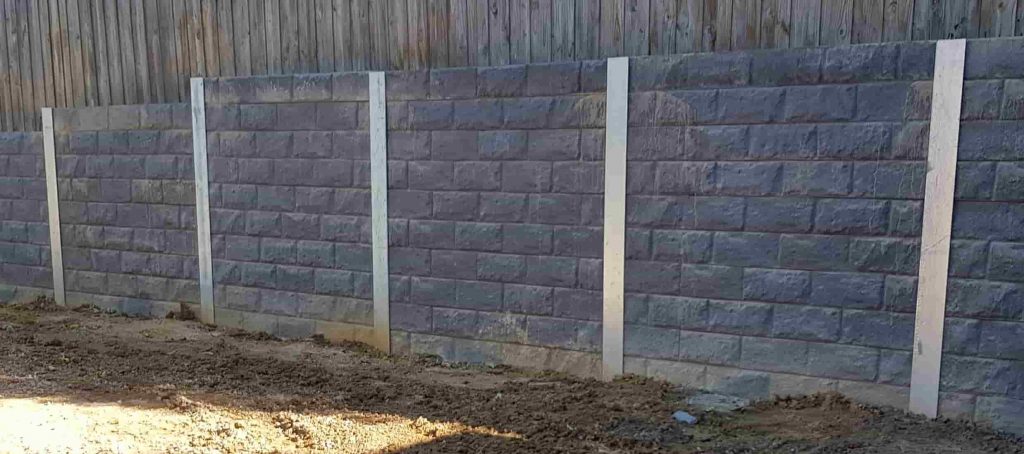
2.1 Concrete Sleepers
- Durability: They last ages! Maintenance: Minimal effort required.
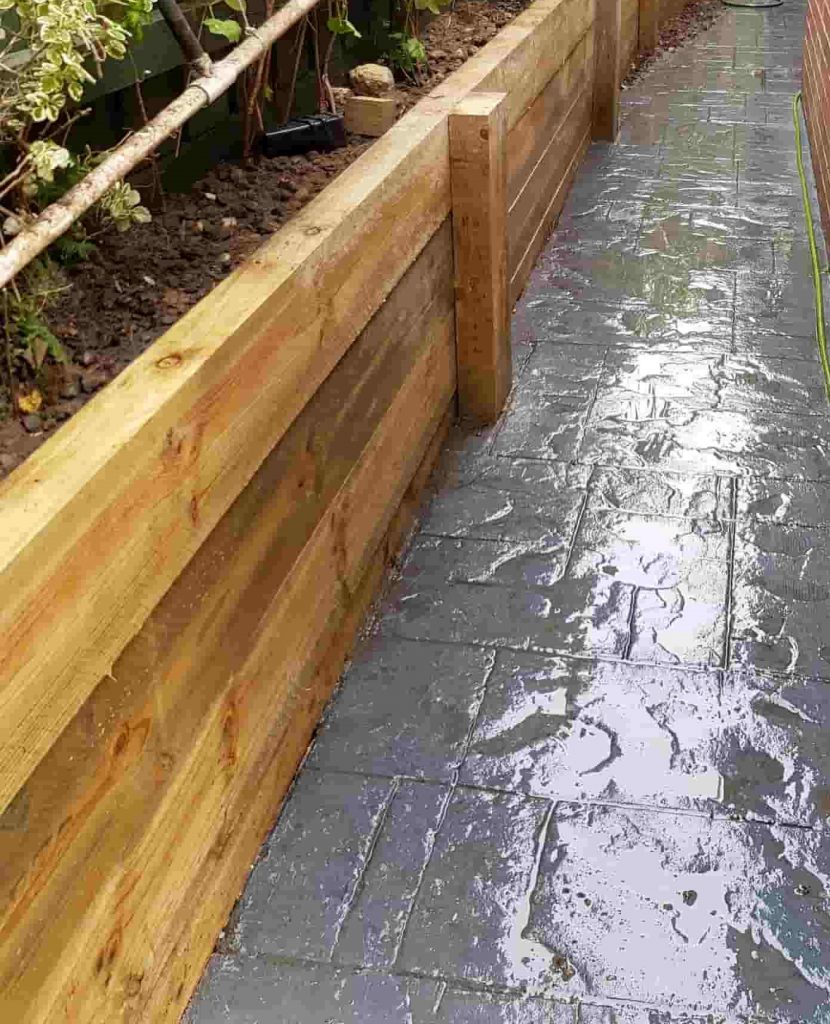
2.2 Wood Sleepers
- Aesthetic Appeal: Warm and natural look. Maintenance: Look out for rot!
2.3 Wood Sleepers
- Eco-Friendly Option: If sourced sustainably. Lifespan: Depends heavily on treatment and local climate.
3. Regional Regulations and Permits
Ever heard the phrase "better safe than sorry"? Well, it's particularly true when constructing walls-- literally!
3.1 Talk to Local Councils
Each municipality has its own regulations concerning building and construction tasks like keeping walls.
3.2 Allows You May Need
You may need authorizations depending upon height, products used, and proximity to residential or commercial property lines.
4. Design Preparation Phase
Now that we have actually got our basics covered, let's enter into some severe planning!
4.1 Height Consideration
How tall do you want that wall? Usually, anything over 1 meter might need engineering plans.
4.2 Drain Solutions
Water accumulation behind your wall can cause pressure concerns:
- French drains Weep holes
5. Laying Out Your Wall
Grab those measuring tapes; it's time to mark out where your lovely new wall will go!
5.1 Marking the Area
Use stakes and string lines to outline your style clearly.
5.2 Leveling the Ground
It's not practically visual appeals; a level base ensures stability!
6. Excavate Your Site
Let's get down to organization-- time to dig!
6.1 Digging Depths
Generally, aim for a minimum of one-third of the wall's height below ground level for stability.
6.2 Eliminating Debris
Keep that worksite tidy-- your future self will thank you!
7. Structure Work
A strong foundation equals a strong wall; it's as basic as that!
7.1 Gravel Base Layer
Lay down gravel or crushed stone before placing any sleepers-- it aids with drainage too!
7.2 Compaction Techniques
Using a compactor guarantees that everything sits tight during heavy rains or storms.
8. Installing Your Keeping Wall
Alright folks, this is where the magic happens!
8.1 First Layer Placement
Start with your first row of sleepers; ensure they're level before proceeding.
Tip: Use spacers for constant spaces in between each sleeper if needed.
9: Backfilling Behind Your Wall
This step is essential for keeping pressure balance!
9.1 Material Choices
Use gravel or soil-- simply ensure appropriate drain remains in place.
Frequently Asked Questions
What are concrete sleepers made from?
Concrete sleepers are made from high-strength concrete created particularly for building maintaining walls or landscaping features.
How long do wood sleepers last?
Typically, dealt with lumber sleepers can last around 15-- 25 years depending upon environmental aspects like moisture levels and exposure to pests.
Can I install a keeping wall myself?
Absolutely! However, it's suggested that you seek advice from specialists if you're unsure about regional regulations or structural integrity requirements.
What are wood sleepers treated with?
Most wood sleepers are treated with preservatives like copper azole or other chemicals to avoid rot and insect damage.
How high can my keeping wall be without requiring an engineer?
In numerous areas of Melbourne, walls over 1 meter generally require engineering evaluation due to security concerns connected to soil motion and stability.
Are there any alternatives to traditional materials?
Yes! Alternatives consist of gabion walls (wire baskets filled with stones) or living walls which integrate plants directly into their structure for visual appeal.
Conclusion: Time to Get Started
So there you have it-- the ultimate checklist for retaining wall installation in Melbourne! Whether you're opting for concrete sleepers for toughness, lumber sleepers for appeal, or wood sleepers due to the fact that you enjoy that rustic vibe-- bear in mind that preparation is half the battle won!
Take it step-by-step and maybe even invest in some quality tools if you're going DIY; you'll thank yourself later on when you're admiring your workmanship from throughout the lawn (with an iced tea in hand). Happy building!